Bulk PCORI Fee Filing for Large Enterprises
File hundreds or thousands of PCORI returns faster with Simple720's IRS-authorized platform. Automate fee calculations, upload covered lives in bulk, and stay compliant with confidence.
- IRS-Authorized Excise Tax Portal
- Bulk Upload Capabilities for Covered Lives
- Dedicated Customer Support
- AICPA SOC-Certified Portal
What is Bulk PCORI Fee Filing Feature?
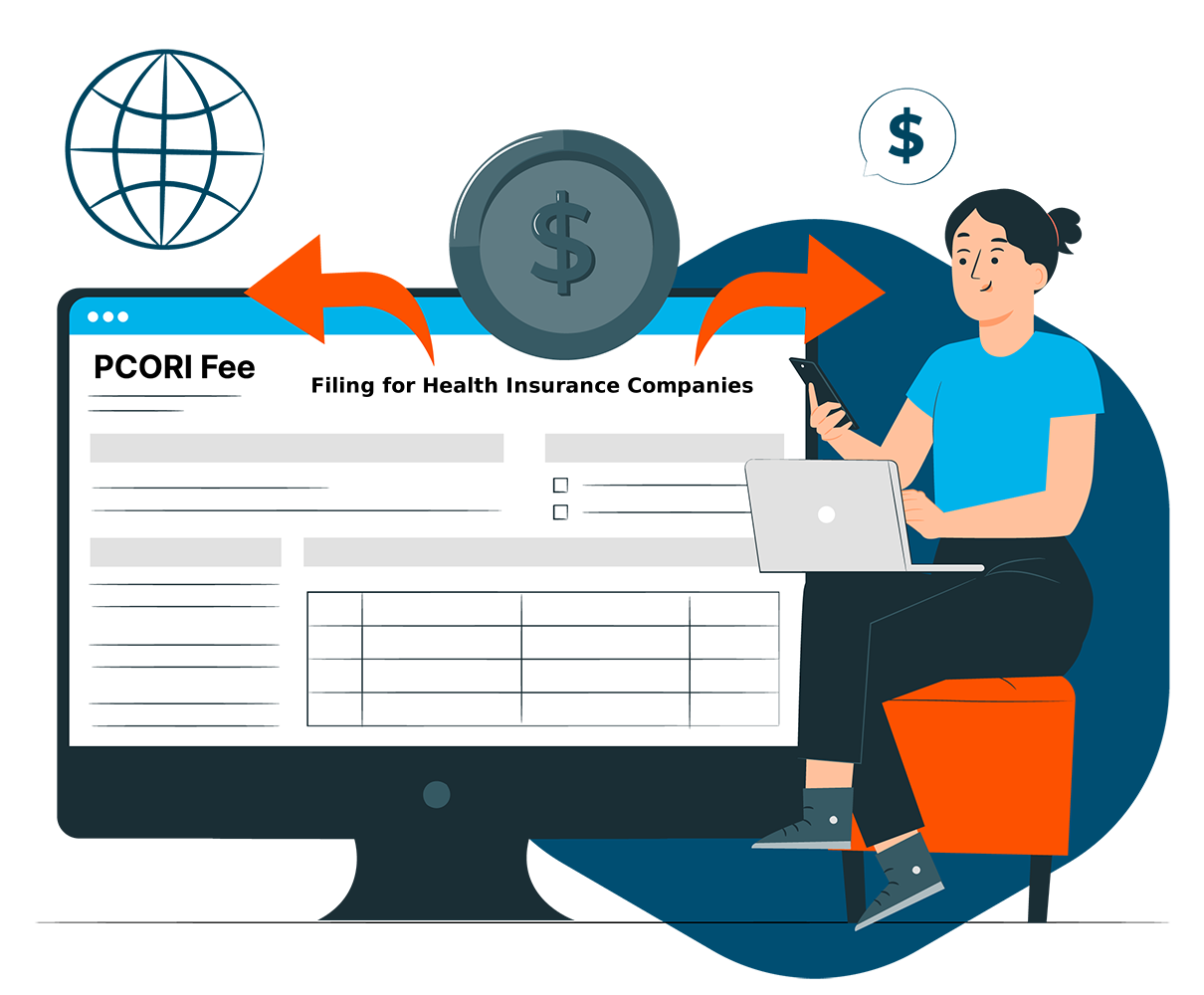
Filing for the PCORI fee generally requires a large number of employees or covered lives, particularly within the large enterprise organizations. Performing an individual filing process for all the cases manually can be both a tiresome and error-prone task.
To address this issue, we have the option of Bulk PCORI Fee Filing feature. With this feature, users can perform filing for multiple PCORI fees in one process instead of performing individual processes for all.
The process of Bulk Filing will help organizations to perform filing of n number of cases in one process and thereby saving time and efforts. This feature makes the PCORI fee filing process easy and accurate.
When Does Bulk PCORI Filing for Large Enterprises Make Sense?
What Information Is Required for Bulk PCORI Fee Filing?
Common Challenges in PCORI Filing
Why You Should File Bulk PCORI Fees Online?
Faster IRS Processing
Electronic filing can make submission faster and easier to track than paper filing. Filing your bulk PCORI fees online ensures the IRS receives and processes your data immediately, replacing days of postal delays with instant, verifiable receipt verification.
Reduced Manual Errors
When the platform pulls participant counts and runs the tax math automatically, there's really no room left for the kind of calculation mistakes that trigger corrections and refills down the road.
Easier Record Keeping
Everything lands in one secure place online, so when an audit comes up three years later, the documents are actually findable and not buried in a filing cabinet somewhere.
Scalable Filing Process
Growing corporations add covered lives every year, and online platforms just absorb that extra volume without any slowdown, something a spreadsheet-based process genuinely can't do past a certain size.
Smart Solution to the PCORI Filing Challenges

Time-Saving Enterprise Solution
Our corporate tax team
dreaded the massive volume of healthcare data we processed manually. Switching
to Simple720 for our Bulk PCORI Fee Filing gave us our precious time back. The
automated calculations are flawless. It has made our tax compliance incredibly
efficient.
Secure and Accurate Platform
Managing multiple self-insured
health plans was a logistical nightmare. The secure SOC 2 environment and
automated features eliminated the stress entirely. Bulk PCORI Filing for Large
Enterprises has never been easier. The ability to save our tax return
mid-process is a feature we rely on.
Exceptional Done-For-You Service
Handing off our IRS Form
720 PCORI Filing to a dedicated tax expert saved our team countless hours of
work. The done-for-you service genuinely changed how we handle this whole
process. Tax amounts came out accurately, and we had official IRS acknowledgment
back within minutes of filing.
Simplify Your Large Enterprise Tax Compliance Today
ACA mandates shouldn't eat up your team's time year after year. With Simple720, Bulk PCORI Fee Filing is fast, accurate, and secure. Create Your Enterprise Account and Start Filing your PCORI Fee online Today
PCORI Fee Online filing today!